Table of Contents
- Influenza Is More Serious Than You Think
- 10 Tips to Get You Through Cold and Flu Season - Page 2 of 10 - SMA ...
- Vektor Stok Gejala dingin dan flu infografis. Demam (Tanpa Royalti ...
- Jangan Pandang Ringan, Ini 7 Perkara Ibu Bapa Kena Tahu Tentang ...
- Penyakit Influenza Boleh Ancam Nyawa Anak, Parents Sila Alert!
- Serious Diseases That Seem Simple
- Influenza in Malaysia: Symptoms, Causes, Treatment & Prevention
- Think You Have the Flu? It Might Be Anxiety
- Flu season that's sickened 26 million may be at its peak
- Fillable Online Influenza (flu) - Symptoms and causes - Mayo Clinic Fax ...


Common Signs and Symptoms of the Flu

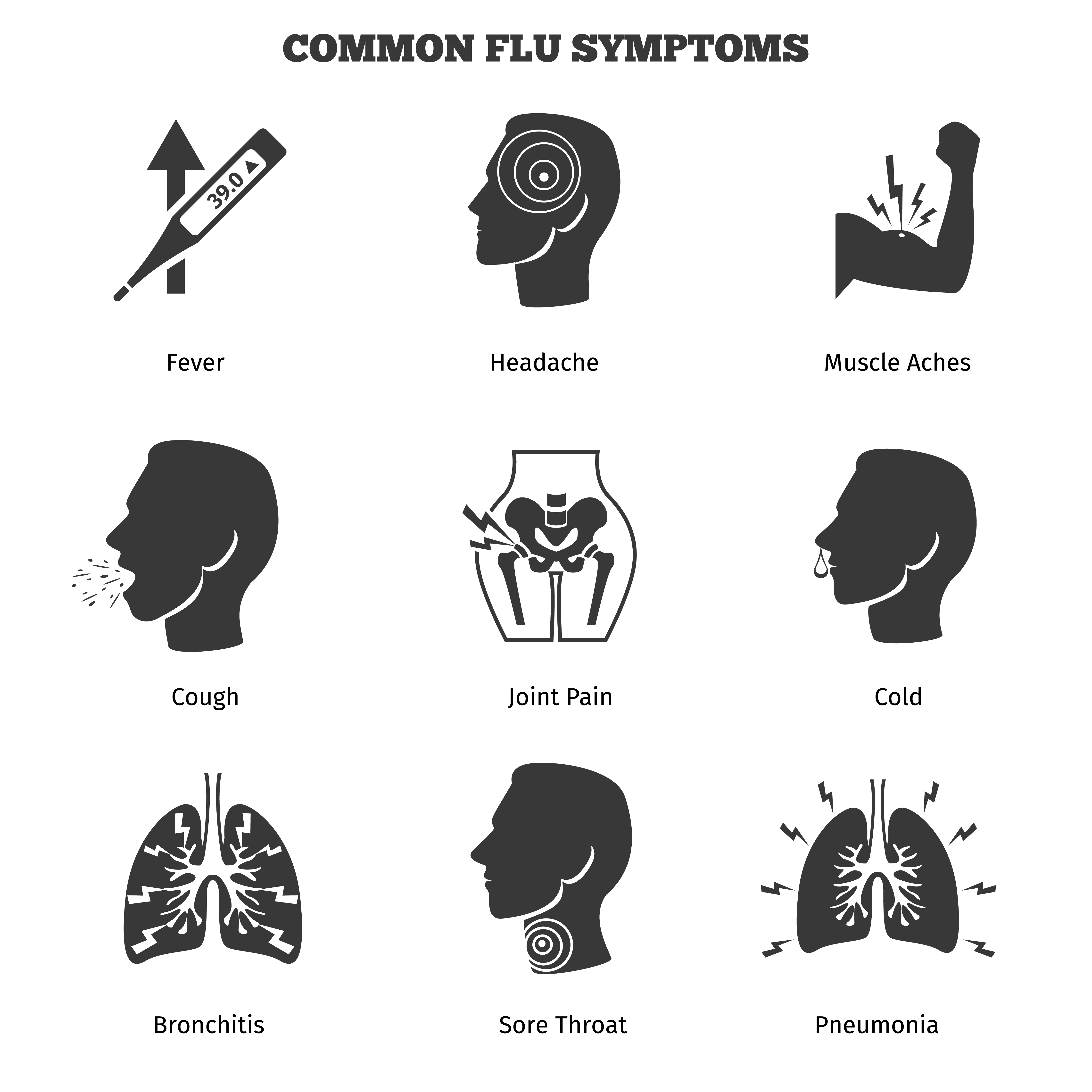
- Fever and Chills: A sudden onset of high fever, often accompanied by chills, is a typical symptom of the flu.
- Cough and Sore Throat: A dry, persistent cough and sore throat are common symptoms of the flu.
- Runny or Stuffy Nose: Nasal congestion, runny nose, or stuffiness are frequent complaints among individuals with the flu.
- Headache and Fatigue: Severe headaches, fatigue, and body aches are characteristic symptoms of the flu.
- Muscle and Joint Pain: Pain and stiffness in the muscles and joints, particularly in the back, arms, and legs, are common complaints.
- Diarrhea and Vomiting: Some individuals, especially children, may experience gastrointestinal symptoms like diarrhea and vomiting.

High-Risk Groups and Complications

- Older Adults: People 65 years and older are more susceptible to severe flu symptoms and complications.
- Young Children: Children under the age of 5, especially those under 2 years, are at a higher risk of flu-related complications.
- Pregnant Women: Pregnant women, particularly those in their second and third trimesters, are more likely to experience severe flu symptoms.
- Individuals with Chronic Conditions: People with underlying medical conditions, such as heart disease, diabetes, or lung disease, are more prone to flu-related complications.

Taking Action and Preventing the Flu
To reduce the risk of contracting the flu and prevent complications, follow these steps:- Get Vaccinated: Receive an annual flu vaccine to protect against the most common flu viruses.
- Practice Good Hygiene: Wash your hands frequently, cover your mouth and nose when coughing or sneezing, and avoid close contact with individuals who are sick.
- Stay Home When Sick: If you are experiencing flu symptoms, stay home from work or school to prevent transmitting the virus to others.
- Seek Medical Attention: If you are experiencing severe symptoms or are at high risk of complications, seek medical attention promptly.